


In hallways filled with locker slams, prom posters, and college countdown calendars, most high school and college students are meticulously preparing for the expected milestones: dresses and tuxes, dorm décor, campus tours, and graduation photos framed for social media. What’s often missing from that checklist is financial literacy, the quiet but powerful life skill that shapes everything after the cap and gown come off. Daniel Huck has seen this gap firsthand while working in schools, where students can map out prom plans in detail yet have little understanding of interest rates, credit scores, or the long-term reality of student loans. He emphasizes that teaching financial literacy early isn’t about fear, but foresight — giving students the tools to understand how today’s financial decisions can echo through their twenties and beyond. By bringing real-world money conversations into classrooms, Huck says students gain clarity, confidence, and the ability to step into adulthood informed, not indebted.
“A lot of the information I know now, I didn’t know anything about in high school,” said Huck. “That’s when I realized I could come in and bridge that gap and put this information in front of the students to help them.”
Daniel Huck’s path into financial coaching didn’t begin in a classroom or a boardroom. It started with the crackle of a radio dial in 2019. While listening one day, he heard Chris Hogan talking candidly about money and his book, Everyday Millionaires, cutting through the noise with a message that felt both practical and urgent.
Huck picked up the book, and what followed was a personal turning point. The ideas didn’t just resonate, but they stuck, reshaping how he viewed money, opportunity, and responsibility. That moment led him to Financial Peace University and ultimately to his training as a Ramsey Financial Coach, equipping him with the tools to help people untangle debt, build confidence, and take control of their financial lives.
But coaching, for Huck, has always been about more than budgets and balance sheets — it’s about people. He’s always had a natural pull toward helping others, and by 2020, he officially stepped into his role as a coach, turning purpose into practice.
His passion shines brightest when working with high school students, a group he feels especially connected to because he knows firsthand what’s missing. Much of the financial knowledge he now teaches, from understanding credit to navigating student loans, simply wasn’t part of his own education.
Today, Huck brings those lessons directly into classrooms, offering students clarity before confusion sets in, and giving them something he once lacked: a financial foundation before adulthood begins.
“I’ve gone to Wellington High School,” said Huck. “Also, [William T.] Dwyer High School, Independence Middle School, and even some elementary schools.”
Daniel Huck often talks about what happens after the graduation caps are tossed and the photos are posted. When the confetti settles, and reality quietly arrives in the form of loan statements and mounting debt. For many students, that excitement turns into anxiety as envelopes land in mailboxes and inboxes fill with repayment notices, interest quietly ticking up like a metronome. What once felt like an abstract number on a screen suddenly becomes a monthly obligation, shadowing first jobs, first apartments, and even first dreams. Student loans, Huck says, can feel like an invisible backpack filled with bricks, carried into adulthood before students even realize how heavy it is.
“I moved to Florida in 2007,” said Huck. “To help open Five Guys restaurants, and I’ve been involved with the chain for 19 years. But financial literacy allowed me to help in ways I never thought.”

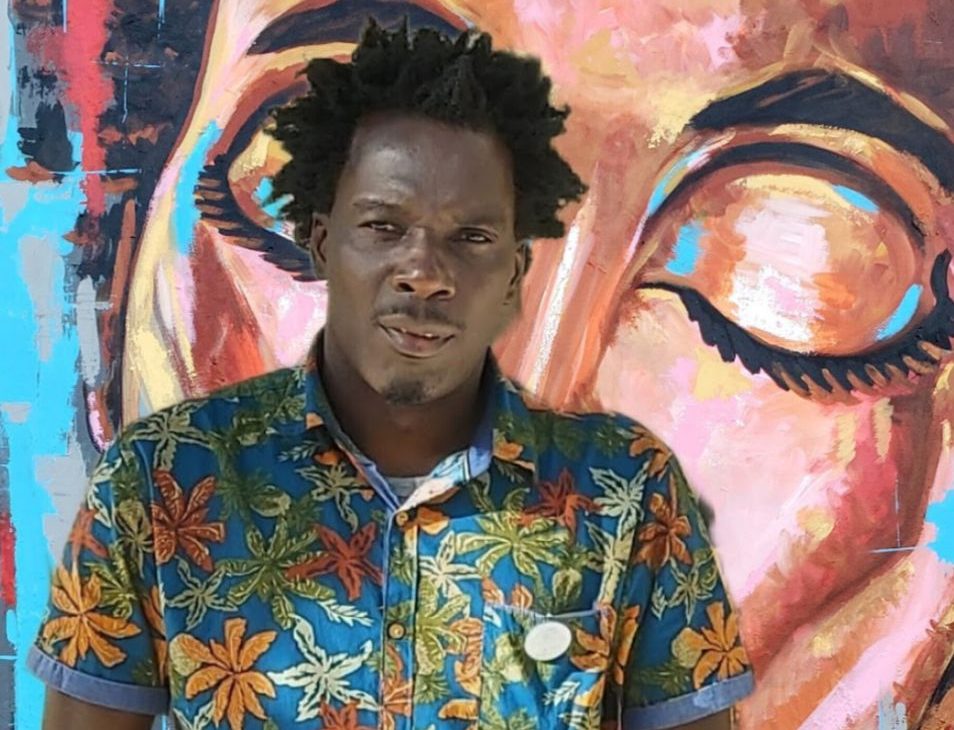
Daniel Huck’s photo credit Christian Del Rosario
That’s where Daniel Huck steps in, not with judgment, but with clarity and calm. He helps students and young adults slow the spiral, break down the numbers, and understand the path forward before debt defines their future. Drawing from his own journey into financial coaching and his passion for teaching what schools often don’t, Huck offers guidance that replaces fear with confidence. Instead of being trapped by loans and lingering debt, students gain a roadmap, one that allows them to move beyond survival mode and toward a future where financial decisions are intentional, informed, and empowering.
“Building a budget to something as ordinary, and as ingrained, as brushing your teeth,” said Huck. “It’s a daily habit, learned early, rarely questioned, and surprisingly hard to change once it’s set.”
That’s why, he says, budgeting isn’t really about spreadsheets or apps, but it’s about rewiring behavior. For many people, the challenge isn’t knowing what to do with their money, but understanding why they’re doing it in the first place. Whether the motivation is easing constant financial stress, creating breathing room in the household, or building a better life for their children, Huck emphasizes that lasting change starts with a clear personal reason.
“I’ve seen lives change because of this,” said Huck. “I remember speaking to this one student who I kept running into, and you could tell he was paying attention, and he was a really good kid. A lot of people think if you have a financial coach, it’s because you’re poor, you’re broke, and you don’t have any money. Most of the clients, have money. But they were spending their money just on things like buying random stuff and they had a good amount of debt. I was walking through the baby steps, and they ended up becoming debt-free. They bought a new house. They are having a kid. So, to see them work the steps and seeing the process was really cool and rewarding.”
Daniel Huck is also honest about the growing pains. Adopting healthier money habits often means saying no such as no to impulse buys, no to convenience spending, and sometimes no to the lifestyle people have grown comfortable with. Huck doesn’t sugarcoat that discomfort, but he reframes it as temporary resistance on the path to long-term freedom. Like brushing your teeth, budgeting may feel tedious at first, but over time it becomes routine, a small daily act that quietly protects your future and transforms how people live, spend, and breathe financially.
“Out of college, I used a credit card like crazy,” he said. “I wanted good credit. I thought I was doing the right thing by using credit cards and paying them off each month, but I was still shelling out $2,000 to $2,500 and wondering what was going wrong. Those high limits make you feel like you have money to spend, but it adds up fast. I also didn’t understand early on that retirement accounts are for retirement, not vacations or down payments.”
He admits he made a costly mistake early on—one many students still make today. When he was younger, he dipped into his Roth IRA, not fully understanding the long-term consequences. Looking back, he knows that leaving that money untouched would have put him years ahead financially. That lesson has become a core part of his message now: retirement funds are exactly that—long-term investments, not backup savings.

From those experiences, he’s distilled his advice into three principles he believes every student should understand before entering adulthood. First, start investing as early as possible and resist the urge to touch it. Second, live with a budget—not as a restriction, but as a roadmap for freedom. Third, talk openly about money before getting married. In his work with clients, he’s seen how financial misalignment between partners, often more common than not, can quietly become one of the biggest sources of stress in a relationship.
That philosophy now lives beyond one-on-one coaching and client meetings. Through Generation Equipped Leadership Academy, an initiative launched last year, he’s taken his message directly into classrooms across South Florida, blending leadership development with financial literacy. Working with students at Wellington High School, Park Vista High School, the YMCA, and alongside Junior Achievement, his goal is simple but intentional: to reshape how young people understand leadership.
Rather than equating it with authority or titles, he encourages values-based leadership and treating people with respect and earning trust, not demanding it. It’s an approach rooted in real-world experience, and one he hopes will prepare the next generation to lead with both confidence and character.
“Real leadership isn’t about a title or telling people what to do,” he said. “It’s about values, respect, and making people want to work with you—not because of your position, but because of who you are. If we can reach them in those hallways—before the cap and gown—then we’re not just teaching finance or leadership, we’re helping shape the rest of their lives.”












Leave a Reply